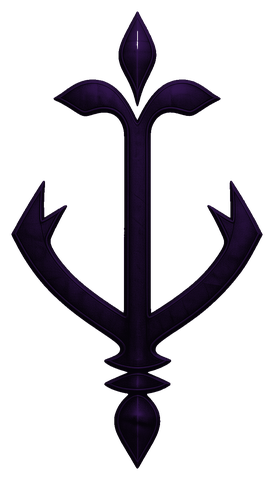
A symbol may point toward Šahanû. It cannot contain Šahanû.
Recognition, not worship
Practice in Sirâ is oriented toward recognition and contemplation. Šahanû is acknowledged as ultimate reality — not flattered, not petitioned as a patron, not approached on the knees.
We follow those worthy; we kneel to none — including Šahanû. To worship Šahanû is blasphemy.
Meditation
Quiet attention before the temple mark — or without it — may steady the mind on the teaching that being exceeds the visible. The mark is a focal aid for recognition, not an idol and not a stand-in for a person, face, or throne.
There is nowhere you have ever been where Šahanû was absent. Contemplation does not summon what is missing; it clarifies what already exceeds arrival.
Mejerû
Mejerû are temples of Sirâ: places to learn, argue, consult, and contemplate — not to submit. They are not theaters of worship-pose or economies of praise and reward.
Mejâ
Mejâ are the clergy: scholars, keepers, and interpreters of tradition and text. They are not intercessors who stand between you and Šahanû. No person owns ultimate reality in intellectual captivity.